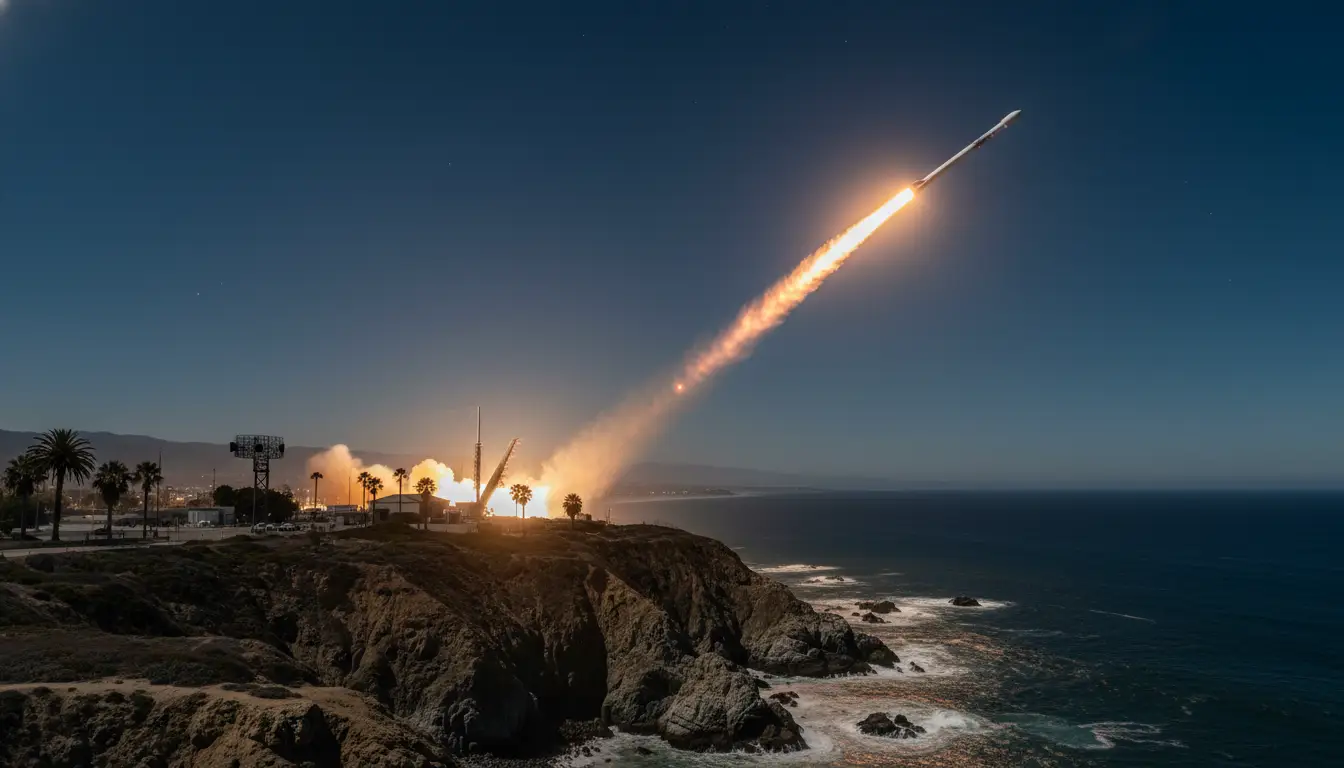
SpaceX Falcon 9 Successfully Launches CAS500-2 & Others
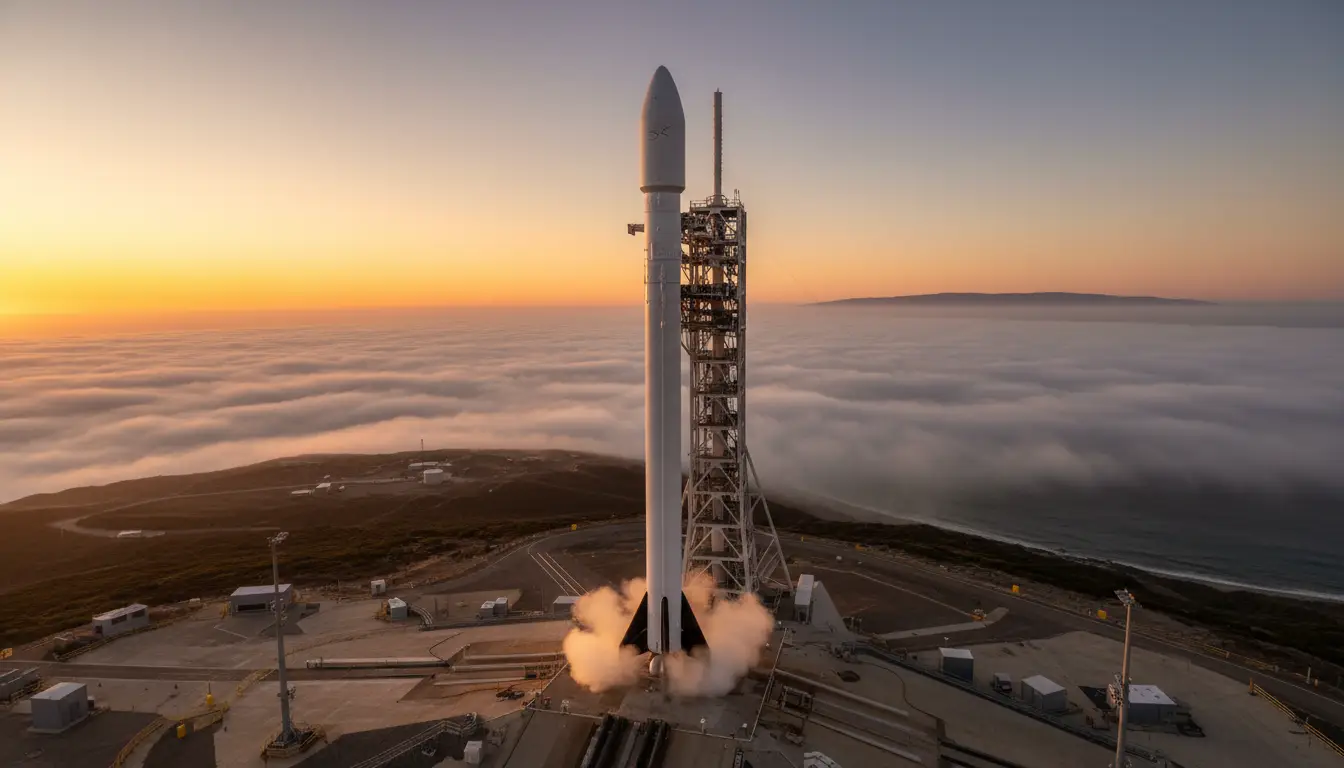
Recap of the SpaceX Falcon 9 launch from Vandenberg Space Force Base on Sunday, May 3, 2026. Mission successful.
SpaceX successfully launched its Falcon 9 rocket from Vandenberg Space Force Base early Sunday morning, delivering a diverse collection of satellites to sun-synchronous orbit in the latest rideshare mission from California's Central Coast.
Lifting off from Space Launch Complex 4E at 12:00 AM Pacific Time, the Falcon 9 Block 5 vehicle carried the CAS500-2 mission along with dozens of other satellites during the 36-minute launch window. The rocket performed flawlessly, placing all payloads into their intended sun-synchronous orbit high above Earth.
The primary passenger was South Korea's CAS500-2 satellite, developed by the Korea Aerospace Research Institute (KASA). This sophisticated Earth observation spacecraft joins its predecessor CAS500-1 in providing high-resolution imagery of our planet. The satellite is equipped with the Advanced Earth Imaging Sensor System (AEISS-C), capable of capturing both panchromatic and multi-spectral images with an impressive ground resolution of 0.5 meters in panchromatic mode.
The mission showcased SpaceX's rideshare capabilities, with the Falcon 9 carrying a total of 45 satellites from various operators and organizations. This approach allows smaller satellite companies and research institutions to access space more affordably by sharing launch costs across multiple payloads on a single rocket.
Sun-synchronous orbit, the destination for this mission, is particularly valuable for Earth observation satellites like CAS500-2. This orbital configuration ensures that satellites pass over the same locations on Earth at consistent local solar times, providing optimal lighting conditions for imaging and consistent data collection patterns.
The successful launch continues Vandenberg's role as a crucial gateway for missions heading to polar and sun-synchronous orbits. The base's location on California's coast makes it ideal for these trajectories, as rockets can fly safely over the Pacific Ocean without overflying populated areas.
With CAS500-2 and its fellow passengers now safely in orbit, the satellites will begin their operational phases, contributing to Earth observation, communications, and scientific research efforts worldwide. The mission represents another milestone in the growing commercial space industry's ability to provide reliable, cost-effective access to space.
Readers can find information about the next upcoming Vandenberg launch on 805.life, keeping the Central Coast community informed about future space missions departing from their backyard spaceport.
Related Launches
More Articles
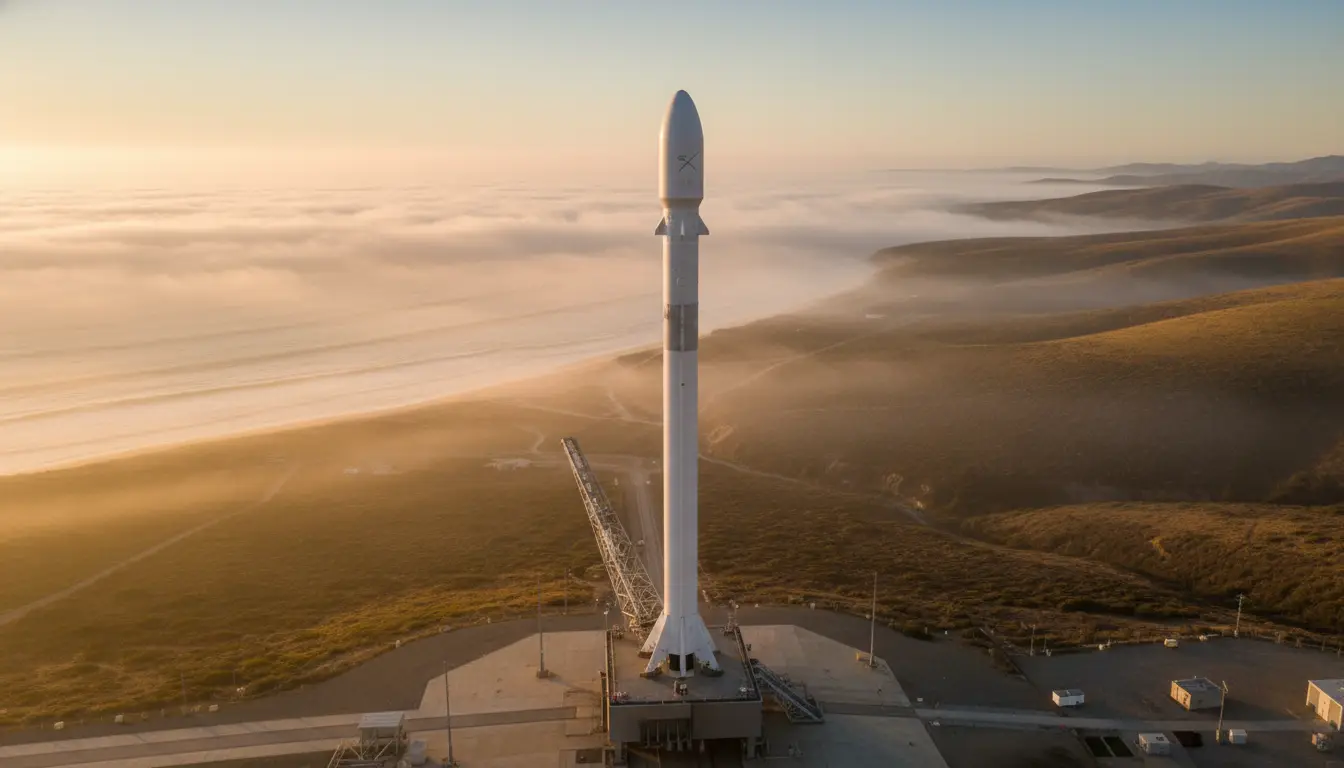
Falcon 9 Set to Launch Starlink Group 17-54 on June 14
Everything you need to know about the upcoming SpaceX Falcon 9 launch from Vandenberg Space Force Base, targeting Sunday, June 14, 2026.
Launches Jun 14, 2026
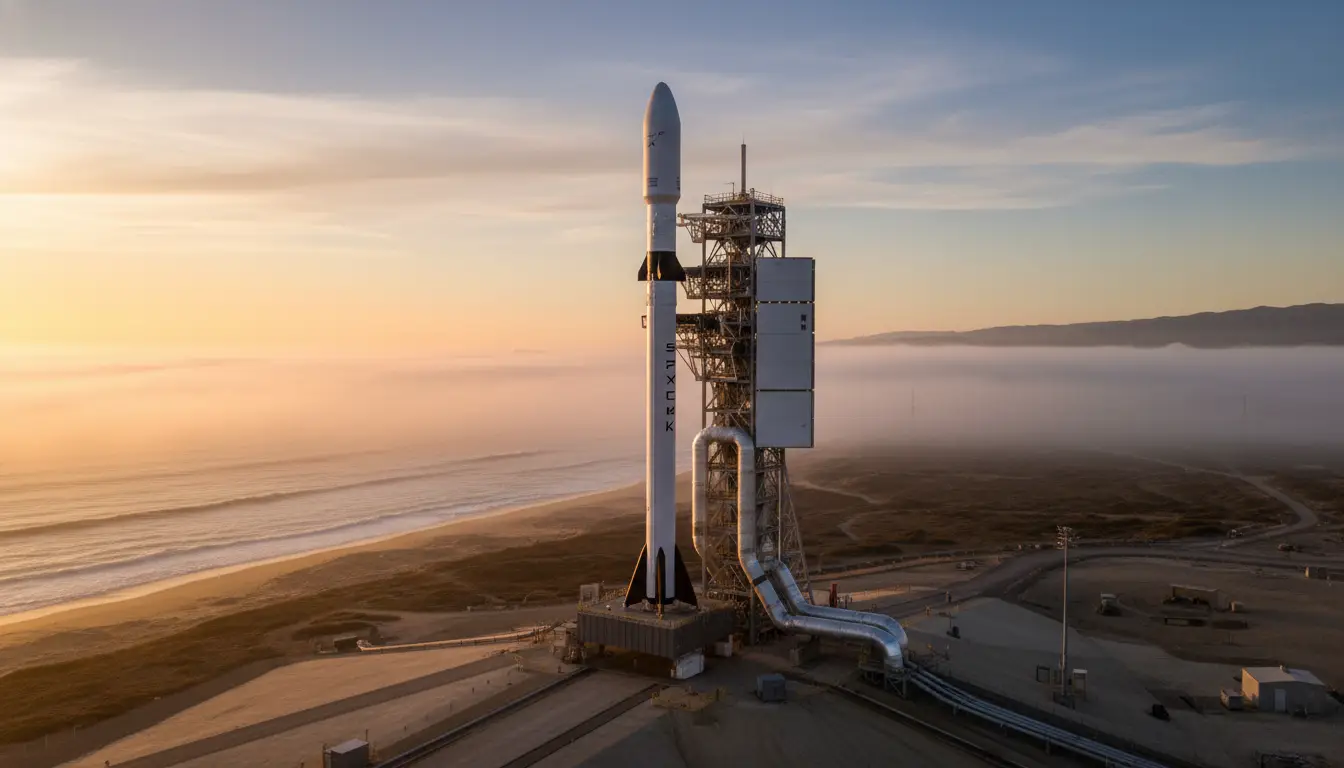
Falcon 9 Set to Launch Starlink Group 17-44 on June 10
Everything you need to know about the upcoming SpaceX Falcon 9 launch from Vandenberg Space Force Base, targeting Wednesday, June 10, 2026.
Launches Jun 10, 2026
Falcon 9 Set to Launch Starlink Group 17-43 on June 6
Everything you need to know about the upcoming SpaceX Falcon 9 launch from Vandenberg Space Force Base, targeting Saturday, June 6, 2026.
Launches Jun 6, 2026