Will We Destroy the Planet That Sustains Us?
A Lifetime of Watching the Ocean Change
Bob McMillen has spent more than six decades diving in the waters off Santa Barbara, watching the California coast transform beneath the waves. What he's witnessed in those thousands of hours underwater has shaped his understanding not just of marine ecosystems, but of humanity's relationship with the planet that sustains us.
Writing in a recent opinion piece for the Santa Barbara Independent, the 85-year-old reflects on dramatic changes he's observed firsthand. When he first entered the water as a young diver, giant kelp forests covered vast stretches of the California coastline. Abalone were abundant. Marine life flourished in places that today bear little resemblance to what he remembers.
The Collapse of Underwater Forests
McMillen's observations align with scientific research documenting significant changes in California's marine ecosystems. Recent studies show that Northern California's kelp forests have declined by more than 95 percent, with most of that loss occurring between 2014 and 2019 following an unprecedented marine heat wave.
Local Santa Barbara Channel ecosystems have faced similar pressures. Research from UC Santa Barbara's Marine Science Institute shows how marine heatwaves have emerged as "disruptive forces in the kelp forest, threatening marine biodiversity and wild fisheries." These warming events create what scientists describe as a "stress test" for marine ecosystems, with consequences that appear to be very negative and happening rapidly.
The collapse hasn't been gradual. As McMillen notes, "Over the years I watched pollution take its toll in some areas, overharvesting in others, and more recently the collapse of ecological relationships that once kept marine environments in balance."
Beyond the Shoreline: Connecting Environmental and Human Crises
What sets McMillen's perspective apart is his recognition that environmental issues cannot be separated from economics, politics, immigration, or war. His decades of observation have taught him that "nature functions as a unique system. Every plant and animal plays a role. When enough pieces are removed or damaged, the effects eventually spread throughout the entire ecosystem."
This systemic thinking extends to human society. Climate change, McMillen argues, acts as a "force multiplier," making existing problems worse. When drought affects agriculture, food becomes more expensive and livelihoods disappear. When fisheries collapse, coastal communities suffer. When fresh water becomes scarce, competition increases.
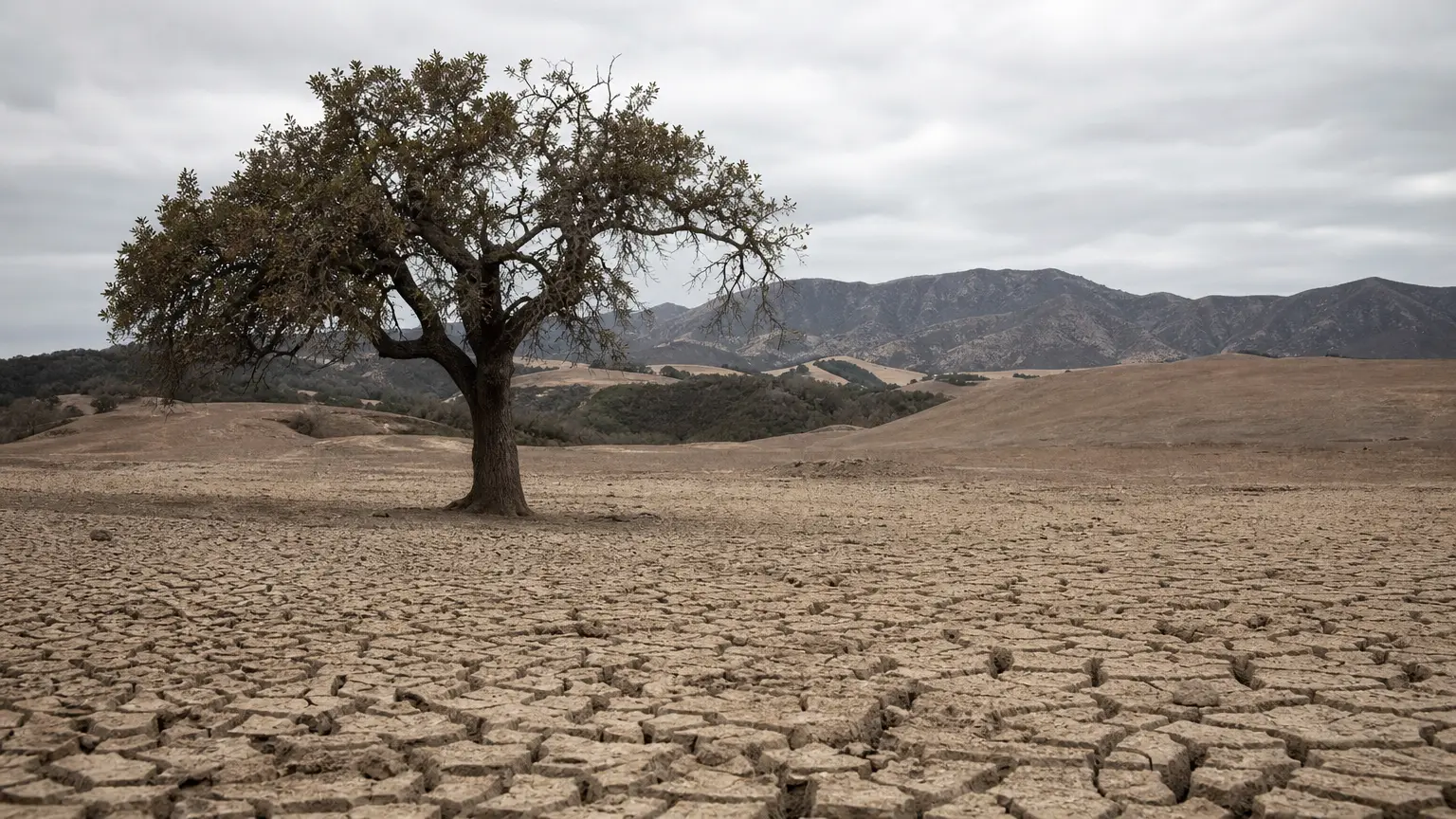
Santa Barbara County faces many of these interconnected challenges. Local climate assessments show the region has experienced drought conditions for 62% of weeks since 2000, with 24% of those weeks classified as Extreme or Exceptional drought. The area is also vulnerable to increased wildfire risk, with climate change creating hotter, drier conditions.
A Call for Systemic Change
McMillen's message carries particular weight given his deep personal connection to the ocean and his advanced age. "I worry about it because I have children and grandchildren," he explains when asked why environmental issues matter to him at 85.
His concern extends beyond individual species or habitats. "What I have seen convinces me that protecting the environment is no longer simply about saving whales, forests, kelp beds, or endangered species. It is about protecting the foundation upon which human civilization itself depends."
The paradox he highlights is stark: humanity possesses remarkable intelligence and technological capability—we've walked on the moon, mapped the human genome, and created powerful computers. Yet despite these achievements, we continue to damage the natural systems that make our existence possible.
A Legacy of Witness
McMillen's decades of underwater observation provide a unique long-term perspective on environmental change. His account offers something increasingly rare: first-hand testimony of how dramatically our local marine environment has transformed within a single lifetime.
"Perhaps future generations will someday look back and wonder how a species capable of such extraordinary accomplishments could have been so careless with the planet that sustained it," he reflects. "I hope they never have to ask that question."
That hope, more than anything else, is why he continues speaking out—a voice from beneath the waves, warning us about the connections between the health of our oceans and the future of human civilization.
Reported by 805.life
Researched and written drawing on primary sources. Additional reporting: Santa Barbara Independent.
City
Santa BarbaraAdditional Reporting
Santa Barbara IndependentPublished
June 6, 2026
Reported and written by 805.life
Explore Santa BarbaraAll Santa Barbara NewsMore News from Santa Barbara
 Santa Barbara
City of Solvang to Break Up 40-Year Partnership with Sheriff’s Office?
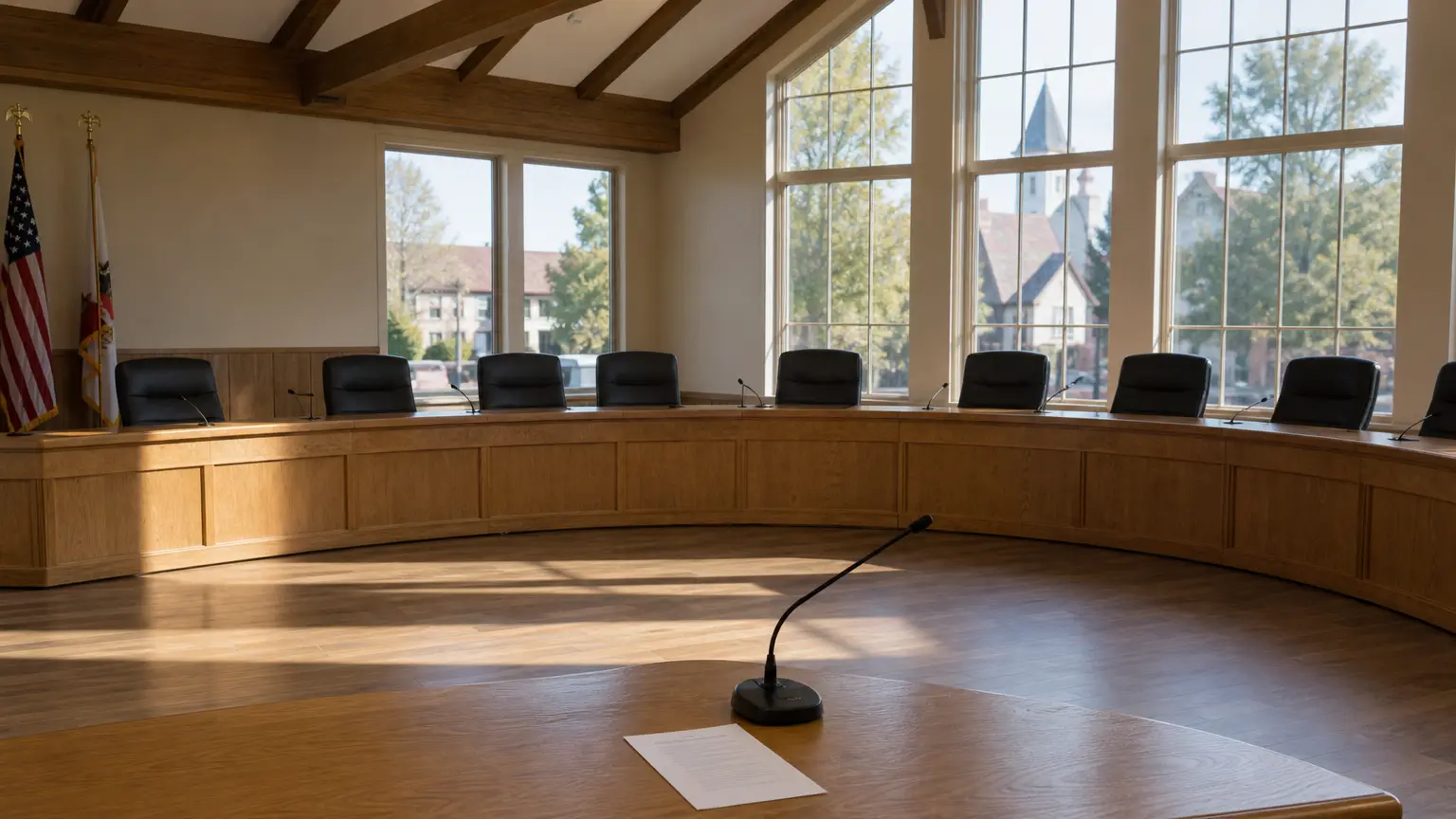
Solvang is considering a major shift in law enforcement after 40 years with the Santa Barbara County Sheriff’s Office. The city council voted to enter negotiations with the Lompoc Police Department, a move that could reshape how the Danish-style village handles public safety. As reported by the Santa Barbara Independent, this decision follows years of discussions about response times and local control. For residents and business owners, this isn’t just administrative — it’s about the familiar deputies who patrol the streets and respond to incidents. While the Sheriff’s Office has deep roots here, some council members argue a dedicated city police force could offer quicker, more tailored service. The negotiations with Lompoc will be closely watched by neighboring communities in the Santa Ynez Valley, as any change could set a precedent for how small towns approach law enforcement partnerships.
 Santa Barbara
Santa Barbara Foresters Rout Philippines Baseball Group in Season Opener, 13-1
The Santa Barbara Foresters kicked off their 2026 summer season in style this Saturday, thrashing the Philippines Baseball Group 13-1 at Eddie Mathews Field. It's the kind of opening-day blowout that gets the whole 805 excited for summer ball. The 'Sters have long been a local treasure, bringing top-tier collegiate summer baseball to our community and often packing the stands with families and die-hard fans. This year's squad looks sharp early, and the win sets a confident tone for the season ahead. Noozhawk had the full rundown on the game, and it's worth a read if you want to catch up on all the stats. With summer officially here, there's no better way to spend an evening than cheering on our hometown team under the lights—come out and support the Foresters as they chase another championship.
 Santa Barbara
Santa Barbara Museum of Natural History Welcomes 1,000 Fluttering Friends
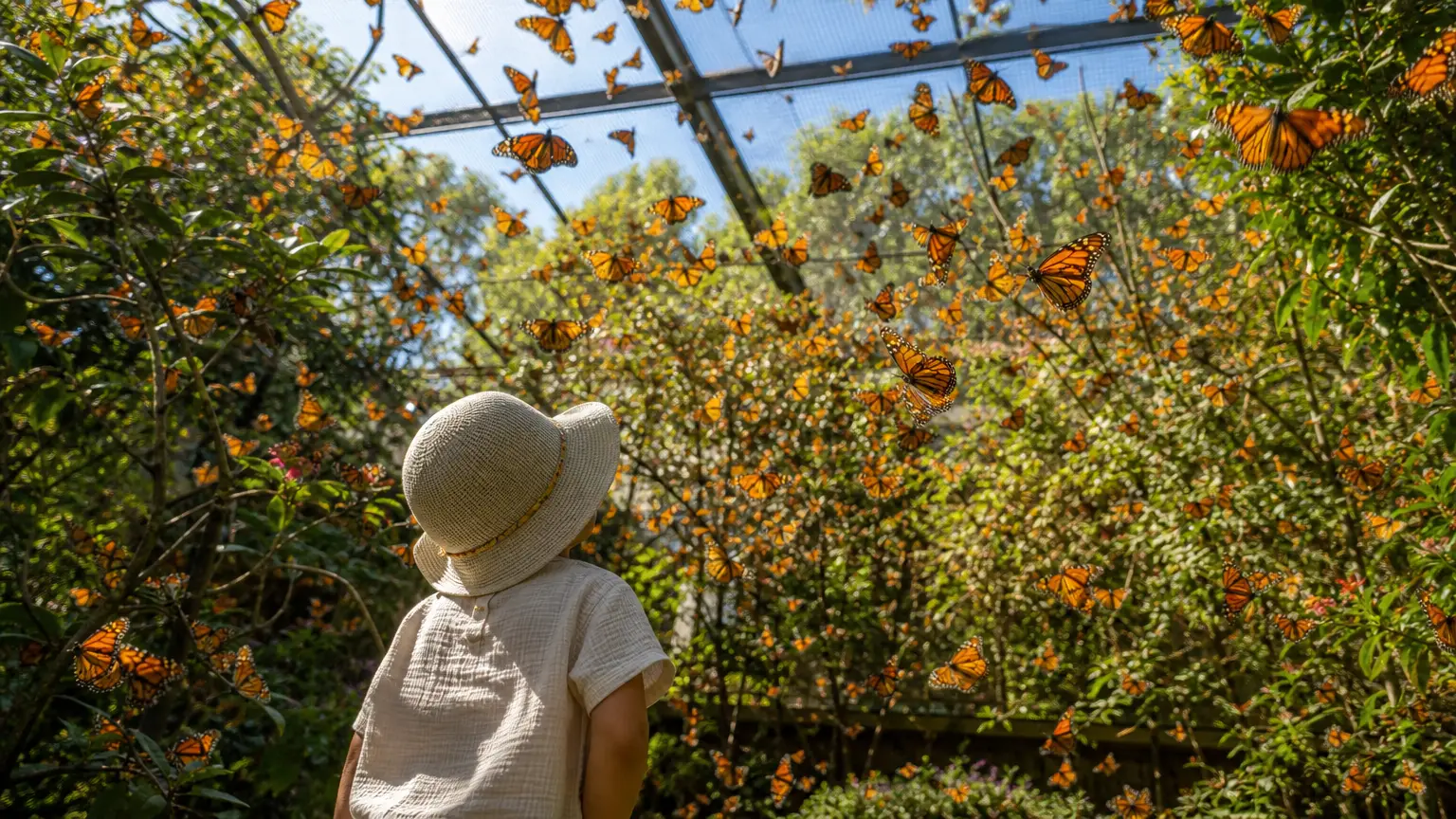
The Santa Barbara Museum of Natural History is alive with color and motion once again. This week, the Sprague Butterfly Pavilion opened its doors for the annual Butterflies Alive! exhibit, welcoming 1,000 winged insects to their summer home. It’s a beloved local tradition that transforms the museum into a tropical oasis — and a perfect excuse to bring the kids or enjoy a quiet moment among the fluttering monarchs and swallowtails. As reported by Noozhawk, the exhibit offers a rare chance to see these delicate creatures up close while learning about their life cycles and the importance of conservation. For Central Coast residents, it’s a reminder of the biodiversity that makes our region so special. Whether you’re a longtime visitor or it’s your first time, the pavilion is a joyful escape into nature — no passport required.